
Meet William Stauffer, LSW, PMAC, PECS
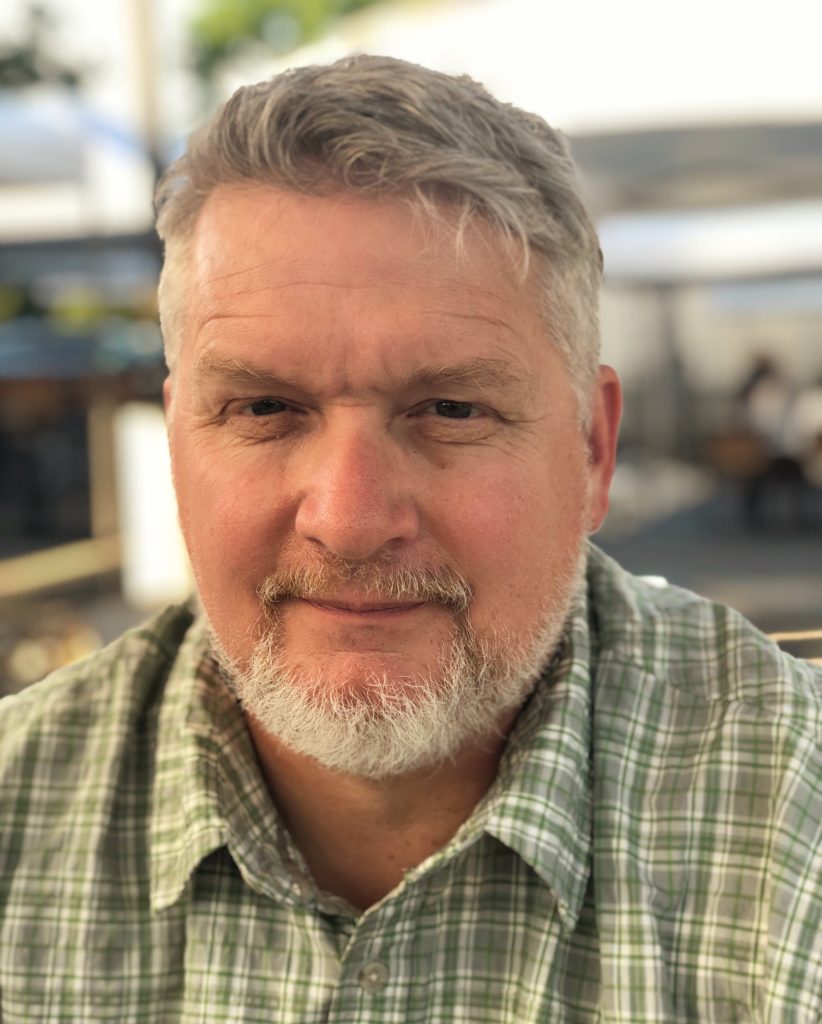
William Stauffer has been the Executive Director of Pennsylvania Recovery Organization Alliance (PRO●A), the statewide recovery organization of Pennsylvania since 2012. He is in long-term recovery since age 21 and has been actively engaged in public policy in the recovery arena for most of those years. Mr. Stauffer is a graduate of Northampton Community College, Cedar Crest College, and Kutztown University. He is also an adjunct professor of Social Work at Misericordia University in Dallas Pennsylvania.
Mr. Stauffer has over 25 years of clinical and administrative experience in both inpatient and outpatient settings. He served as the Program Director of the Halfway Home of the Lehigh Valley from 1999 to 2012. Mr. Stauffer is the former President of the Pennsylvania Halfway House Association, serving in that capacity from 2002 to 2007.
Mr. Stauffer has been a staunch advocate for strong SUD Patient Privacy Protections at both the state and federal levels for many years. He ran a recovery house taskforce for Pennsylvania that helped inform PA Act 59 of 2017. In 2018, he testified in front of the US Senate Special Committee on Aging on the opioid epidemic and older adults, and in 2019, he conducted a hearing with the PA House Human Services Committee to expand recovery opportunities for young people. William Stauffer has initiated numerous workforce expansion initiatives for persons in recovery. A major focus of his work has been aimed at moving our entire SUD care system towards a five-year care paradigm to dramatically expand the numbers of Americans in Recovery while saving lives, resources, and communities.
He is co-chair of the public policy committee for Faces & Voices of Recovery and the 2019 recipient of the Vernon Johnson Award Individual Recovery Advocate of the year. Mr. Stauffer was also the 2002 Recipient of the Lecie G. Machell prize in Social Work and, prior to taking the position of executive director of PRO•A, received the Pennsylvania Recovery Organization Alliances award of the Recovery Advocate of the year, in 2008.
Meet Patricia Baranowksi, MA, CADC

Patricia G. Baranowski, MA, CADC, has been working in the field of addictions since 1989. Her prior experience includes Education and Prevention, Individual and Group Therapy, Case management, and Admissions and Aftercare Coordination, in both residential and outpatient treatment. Patti received her Bachelor of Science Degree, Summa Cum Laude, from Albright College, and went on to graduate with high honors from Liberty University with a Masters Degree in Human Services, with a Health and Wellness cognate.
Patti has worked in different capacities for PRO-A. For the past five years she was Project Manager to the Workforce Support Project and now she is the Program Director of our WORKS Project. She has been instrumental in developing and implementing specialized employment programs for individuals with Substance Use Disorder and Co-Occurring Disorders to support the Workforce Support Project. She continues to work to expanding statewide workforce trainings and technical assistance, assisting with advocacy and public awareness throughout the Commonwealth.
Ms. Baranowski is proud to have served in the US Army Reserves as a Medic and Administrative Assistant, where she received many honors during her service. She has extensive professional and personal knowledge of addiction and its impact on the family and has a passion for advocating for those affected by the disease. Having worked in many capacities in the field of substance use disorder treatment, Patti joins us with years of experience from many perspectives. Currently, she continues her counseling passion on a part time basis.
Since becoming part of the PRO•A team, Patti has worked alongside the current staff in support of the Recovery Works Summits, assisting in coordinating the conferences, and conducting Town Hall Meetings across the state, along with PMHCA, in advocating, educating, and bringing together those who continue to be negatively affected by the stigma of substance and alcohol use conditions. She has also worked in developing a new training curriculum and managing the Recovery Institute Training Program (RITP). Patti will also be facilitating trainings for our RITP. Patti believes that relationships are the foundational catalysts of change. She hopes to continue her work in support of those still suffering, and remains inspired by the courage, resilience, and hope of those she works with on a daily basis. One of her favorite quotes:
“Change is the essence of life; be willing to surrender what you are for what you could become.” Reinhold Niebuhr
Meet Nikki Weir, AAS, PCPRSS, CRS
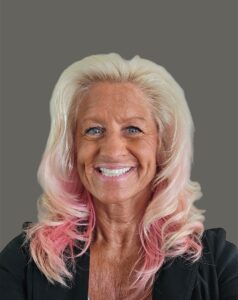
Nikki serves as the Program Coordinator for the PRO-A WORKS Project and Peer Recovery Support Specialist with the Pennsylvania Recovery Organizations Alliance (PRO-A), covering Dauphin County and surrounding areas. She is in long-term recovery, celebrating over 16 years, and brings both lived experience and professional expertise to her role.
She earned her Associate Degree in Human Services from Harrisburg Area Community College in December 2022. Since entering the substance use field in 2017, Nikki has worked across outpatient and correctional settings, facilitating treatment groups, conducting assessments, providing individual counseling, developing aftercare plans, and managing cases. Her work has also included building networks and establishing recovery and reentry support services to strengthen community resources.
Nikki remains actively engaged in 12 Step Recovery and founded the meeting “The Best Is Yet To Come.” Outside of her professional and recovery commitments, she enjoys fitness, spending time with her family, caring for her puppy Myla and enjoying the outdoors.
Meet Christina Grouzis, CFRS
 Christina Grouzis, CFRS serves as a Peer Recovery Support Specialist with the PRO-A WORKS Project. She brings life experience to her role, including her own mental health recovery journey and family recovery experience. She is currently pursuing her college education with a focus on Human Services, further strengthening her ability to support individuals and families impacted by substance use and co-occurring conditions.
Christina has over seven years of experience in the Human Services field. She began her career supporting individuals with intellectual disabilities and mental health (MH) needs and later expanded her work to include individuals with substance use disorders. Prior to joining PRO-A, she worked within a regional Recovery Hub/Recovery Community Organization, where she provided frontline support through comprehensive needs assessments, direct peer engagement, and resource coordination. She specialized in workforce development, working closely with individuals in recovery to identify employment goals while also partnering with local businesses to address barriers, foster understanding, and create meaningful job opportunities. A key focus of her work was empowering individuals to recognize and build upon their existing strengths, helping them develop the confidence to express those skills and apply them in meaningful ways.
Christina is passionate about advocacy efforts that reduce stigma and promote equitable opportunities for individuals in recovery, including second-chance employment and broader workforce inclusion initiatives. She is also passionate about the power of community in recovery. She believes that connection and support are essential, and she encourages individuals to engage in recovery support networks where they can share experience, strength, and hope as part of their journey and have someone to walk beside them.
Outside of her professional work, Christina appreciates finding creative outlets as a way to support balance and well-being, including singing, playing the ukulele, and exploring art and nature. She values the power and importance of mindset, both in her personal life and in recovery. A guiding principle in Christina’s life is a quote often shared with her by her grandfather: “Whether you think you can, or you think you can’t—you’re right.” She carries this message into her work every day, emphasizing the importance of self-efficacy, showing up, and the role of supportive communities in helping individuals build confidence, overcome barriers, and achieve lasting recovery.